If you are selling a home in Rio Rancho, the two decisions that shape everything else are your price and your prep. Price too high and you may lose momentum early. Prep too little and buyers may focus on maintenance concerns instead of your home’s strengths. The good news is that with the right local strategy, you can launch with more confidence and fewer surprises. Let’s dive in.
Why pricing matters in Rio Rancho
Rio Rancho is a heavily owner-occupied market with a housing stock dominated by single-family detached homes. City data shows about 82.2% of homes are owner-occupied, and roughly 88.3% of the housing stock is 1-unit detached. That matters because many buyers here are comparing similar home types, which makes pricing discipline especially important.
Current pricing in Rio Rancho sits broadly in the mid-$300,000s to mid-$400,000s, depending on the source and timing. Recent market trackers report figures such as a typical home value of $364,505, a median sale price near $349,967, a median sale price around $377,000 over the last three months, and a median listing price of about $435,000. The exact number varies, but the main takeaway is consistent: you need to price close to where the market is, not where you hope it will be.
Start with neighborhood comps
Citywide averages can help you understand the big picture, but they should not set your list price on their own. In Rio Rancho, neighborhood-level prices vary a lot. Recent median listing prices have ranged from about $271,500 in North Hills to about $670,000 in Rio Rancho Estates, with several other areas landing in the $330,000 to $460,000 range.
That spread is why subdivision-level comparable sales matter so much. A buyer looking in your area is likely comparing your home to nearby homes with similar age, size, condition, and lot characteristics. A broad city average cannot capture those details well enough to price your home accurately.
What should shape your list price
When you and your agent look at pricing, focus on the factors buyers will compare side by side:
- Micro-location within Rio Rancho
- Recent closed sales in your subdivision or nearby area
- Home age
- Square footage and layout
- Lot size and outdoor condition
- Visible updates and overall maintenance
- Roof, windows, HVAC, and exterior condition
Rio Rancho has both older and newer pockets, so age and condition can make a real difference. A home built in the 1980s that has had careful maintenance may compete very differently from a similar-size home with deferred repairs.
Price for the market you have
Recent data suggests that sellers should expect some negotiation. Zillow reports that 48.6% of sales closed under list price, and Realtor.com reports homes sold for about 1.33% below asking on average in May 2026. That does not mean you should automatically underprice your home, but it does mean buyers are paying attention to value.
If your home enters the market above what nearby comparable homes support, buyers may pause before scheduling a showing or making an offer. In a market where some homes move quickly and others sit longer, a realistic list price can help you protect your launch window.
Why the first price matters most
The first list price is usually your best chance to attract strong early attention. Zillow reports homes going pending in about 14 days, while other trackers show median market times closer to 48 to 55 days. Taken together, that suggests the first one to three weeks are especially important for testing your price and presentation.
If your home gets early showings, solid interest, and useful feedback, you are in a stronger position. If activity is soft in those first weeks, it may be a sign that buyers see better value elsewhere. That is why thoughtful pricing at launch matters more than chasing the market later.
Prep your home for what buyers notice
In Rio Rancho, many homes were built from the 1980s through the 2000s. City housing analysis shows 40.6% of occupied units were built from 1980 to 1999, and 31.7% were built from 2000 to 2009. Because of that, buyers often look closely at maintenance items, not just finishes and décor.
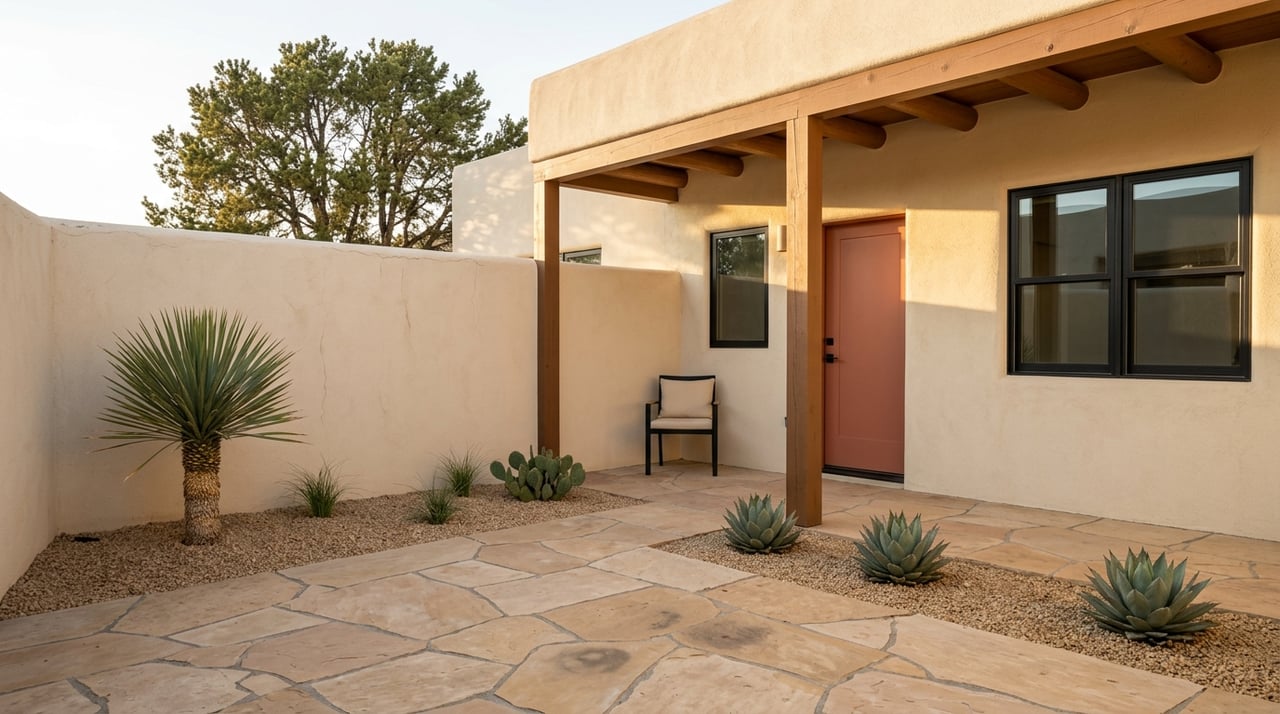
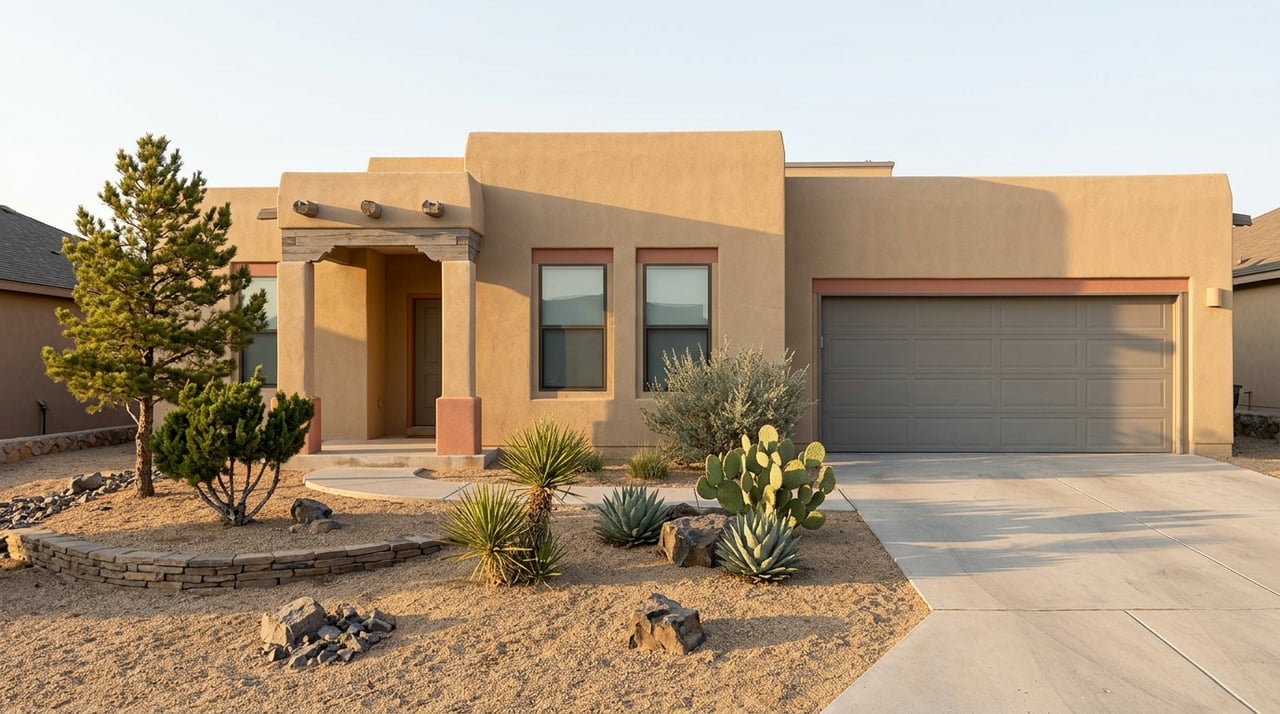
For many sellers, prep should begin with the basics buyers can see right away. Roof age, exterior wear, windows, HVAC condition, paint, landscaping, and signs of deferred maintenance can shape a buyer’s first impression just as much as square footage.
High-impact prep priorities
The most useful prep is usually selective and visible. Research cited in the report found that real estate professionals often recommend these projects before listing:
- Painting the entire home
- Painting a single room where needed
- Installing new roofing when the roof condition calls for it
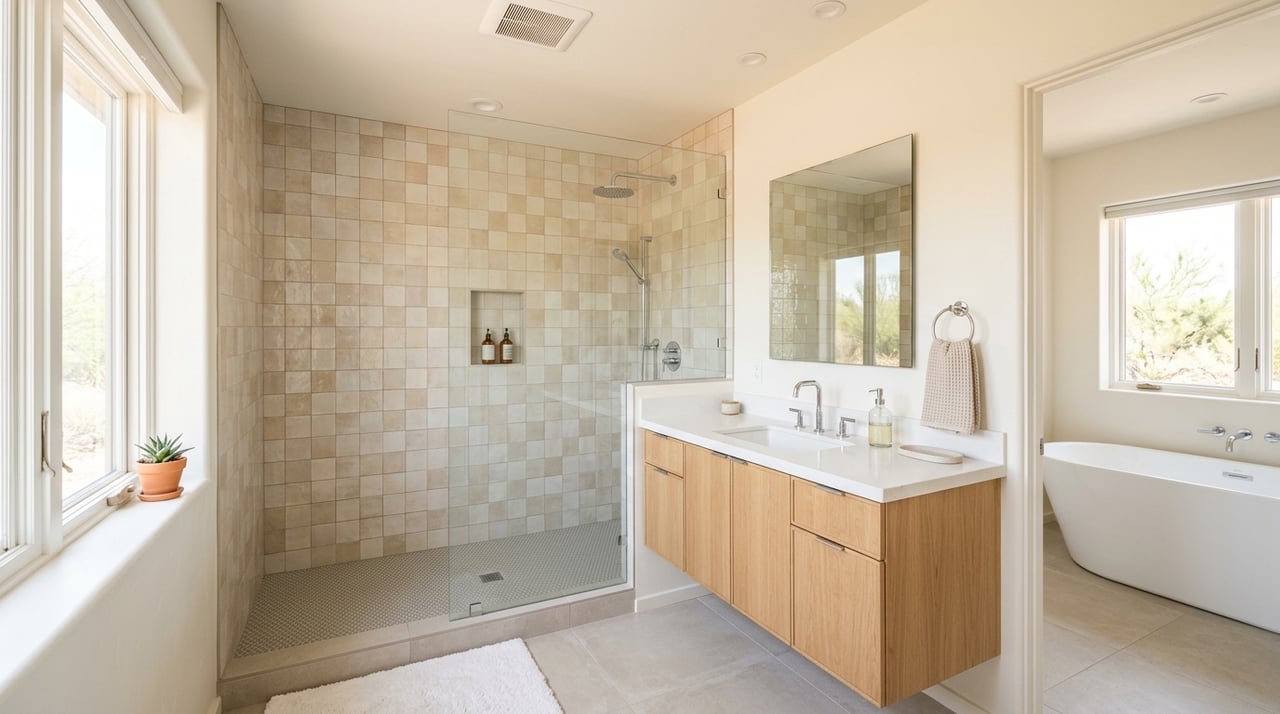
The same research also found strong buyer interest in kitchen upgrades and bathroom renovations. Another study noted that modest updates such as LED lighting, painted floors, and certain kitchen features were associated with higher-than-expected sale prices, while also cautioning that improvements do not guarantee a premium.
That last point is important. You do not need to renovate everything. In many cases, a cleaner, brighter, better-maintained home will perform better than a home with scattered half-finished projects.
Focus on visible maintenance first
Before you spend money on large upgrades, take a hard look at the items buyers may flag immediately during a showing. A worn exterior, tired paint, broken fixtures, damaged flooring, or neglected landscaping can make buyers assume larger issues are hiding underneath.
A practical prep plan often includes:
- Touch-up or full interior paint where needed
- Basic exterior cleanup and landscaping refresh
- HVAC servicing if appropriate
- Window cleaning
- Minor repair work for doors, trim, hardware, and fixtures
- Replacing burned-out bulbs with consistent lighting
- Organizing or clearing crowded rooms and storage areas
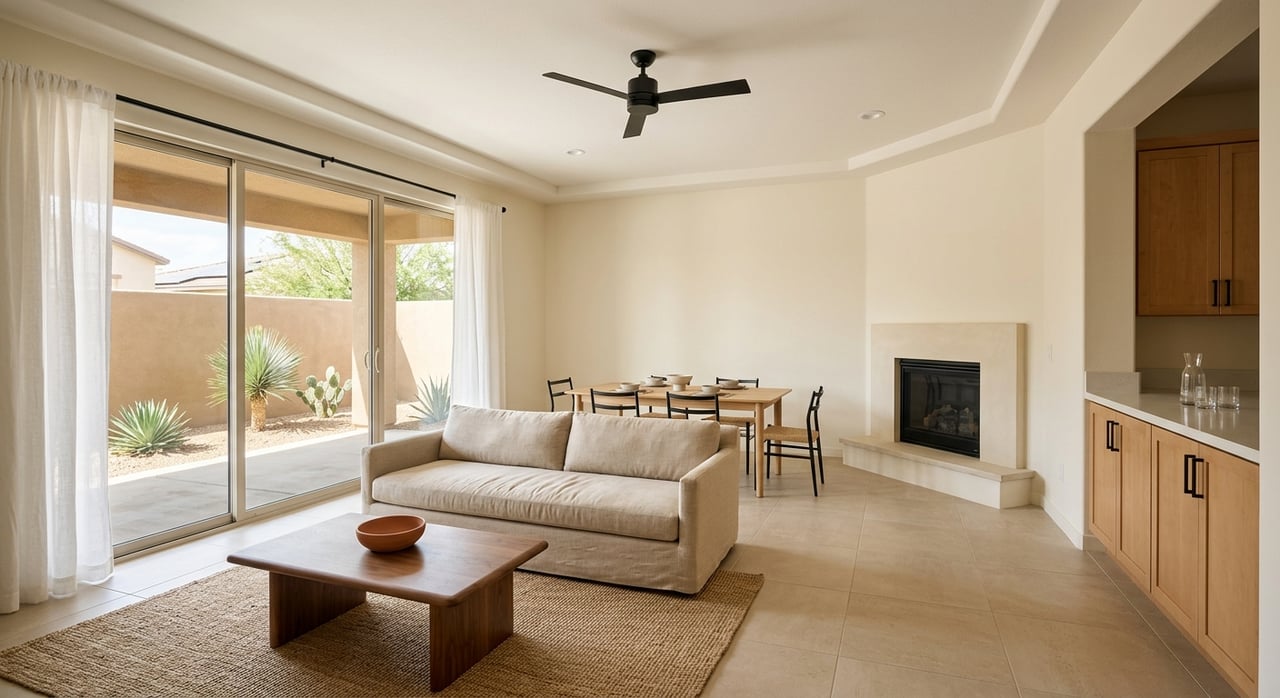
This kind of prep supports photos, showings, and buyer confidence. It also helps your home feel move-in ready, even if it is not newly remodeled.
Get disclosures and documents ready early
A smooth sale is not just about appearance. In New Mexico, sellers also need to be ready for required steps that affect timing and negotiations.
One key example is the property-tax disclosure requirement. State law requires the seller or the seller’s broker to request the county assessor’s estimated property tax levy and to use the listed price in that estimate before accepting an offer. That means your pricing and your paperwork are connected from the start.
Older homes may need extra attention
If your home was built before 1978, lead-based paint disclosure rules may apply. Sellers of most pre-1978 housing must disclose known lead-based paint and known lead hazard information before sale. Since Rio Rancho does have some older housing, it is smart to check this early if your home falls into that age range.
It also helps to gather repair receipts, maintenance records, and any useful home information before launch. When buyers ask questions, being ready with clear documentation can help reduce uncertainty.
Plan for a strong launch
Once your home is priced and prepared, the launch period becomes the next big priority. Early exposure matters. Research in the report found that homes sold off the MLS typically sold for 1.5% less nationally than homes broadly exposed through the MLS.
For a Rio Rancho seller, that supports a strategy built around strong public exposure from day one. It also means your home should be fully ready before it goes live, including photos, disclosures, pricing support, and a plan for responding to market feedback.
What to watch in the first weeks
During the first one to two weeks, pay close attention to:
- Number of showings
- Buyer feedback
- Questions about condition or updates
- Whether buyers seem to compare your home unfavorably on price
- Overall activity compared with expectations
If traffic is light or comments repeat the same concern, a quick adjustment may help. Sometimes that means revisiting price. Other times, it means improving presentation or addressing a visible issue buyers keep mentioning.
A step-by-step seller approach works best
Selling can feel overwhelming, especially if you are also planning a move, downsizing, or buying another home. That is why a step-by-step process matters. In a market like Rio Rancho, the sellers who tend to feel most confident are the ones who make early decisions clearly: price based on local comps, prep based on what buyers notice, and launch with the paperwork and presentation ready.
You do not need to guess your way through that process. With local guidance, clear communication, and a realistic plan, you can make smart choices from the start and avoid the stress that often comes from overpricing or underpreparing.
If you are getting ready to sell in Rio Rancho, New Mexico Dreamin LLC can help you build a step-by-step pricing and prep plan designed for your home, your timeline, and your part of the market.
FAQs
What is a realistic list price strategy for a Rio Rancho home?
- A realistic strategy starts with recent closed sales in your subdivision or nearby area, then adjusts for your home’s age, size, condition, and updates instead of relying only on citywide averages.
What home prep matters most when selling in Rio Rancho?
- The most important prep is usually visible maintenance and selective improvements, such as paint, exterior cleanup, roof condition, lighting, and minor repairs that buyers will notice during showings.
What should Rio Rancho sellers know about the first weeks on market?
- The first one to three weeks are a key feedback window, so you should watch showing activity, buyer comments, and pricing response closely and be ready to adjust if interest is softer than expected.
What disclosure steps matter when selling a home in New Mexico?
- New Mexico sellers must request the county assessor’s estimated property tax levy using the listed price before accepting an offer, and pre-1978 homes may also require lead-based paint disclosures.
Why do neighborhood comps matter more than city averages in Rio Rancho?
- Neighborhood comps matter more because pricing varies widely across Rio Rancho, and buyers compare homes based on nearby options with similar location, age, size, and condition.